Boring Is a Business Model: Why Africa’s Real Winners Won’t Trend

Uchechulwu
Founder, GSV
.
7 min read

Boring Is a Business Model
The businesses that compound over the next decade will be physical, unglamorous, and cash-generating. A case for building where the money actually is.
Two of the most celebrated startups on the continent raised more than $100 million each. One reached a valuation of $850 million. Investors clapped. The press wrote it up. Both are now closed.
In the same years, a woman running a kiosk in a Lagos market — no deck, no valuation, no press — kept turning stock, kept her margin, and is still trading today. She has outlasted companies worth a thousand times more on paper.
That contrast is the whole argument. In Africa, we have spent a decade celebrating the wrong businesses. The ones that trend are rarely the ones that last. The real fortunes of the next decade will be built in businesses most people would call boring — physical, repetitive, cash-generating, and almost impossible to make exciting on a pitch stage. That is exactly why they win.
Where the money actually is
Strip away the noise and look at where Africans actually spend. It is not glamorous, and it is enormous.
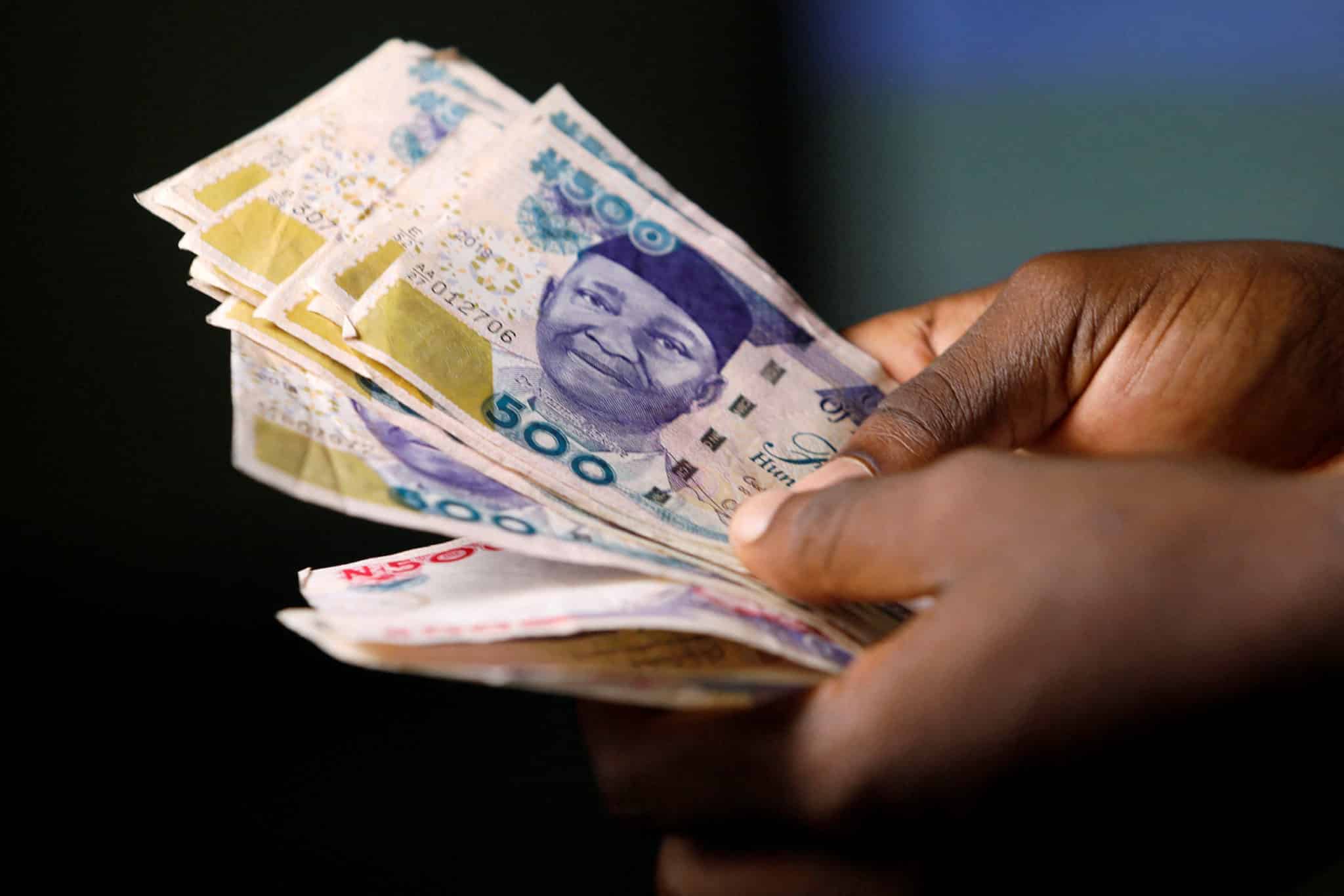
More than 80% of retail activity across Africa happens through kiosks, open-air markets, and small neighbourhood shops. In Nigeria, over 600,000 small retailers account for roughly 97% of national sales. It is not a Nigerian quirk either: small stores drive around 77% of purchases in Kenya, 82% in Morocco, and 75% in Egypt. Across the continent, consumers buy more than 70% of their food, drinks, and personal care from over 2.5 million tiny, independent shops.
Read that again. The single largest, most durable consumer channel on the continent is the corner shop — and it is almost entirely unbranded, unhyped, and ignored by the people writing about “the future of Africa.” The future is already here. It just doesn’t look like the brochure.
The hype tax
So why do we keep celebrating businesses that don’t survive? Because for a decade, the loudest signal in African business was fundability, not profitability — and the two are not the same thing.
A business optimised to raise money looks very different from one optimised to make money. The first chases growth, headcount, and headlines to justify the next round. The second chases margin, cash, and repeat customers because those are the only things that keep the lights on. When the funding tightened, the gap became a graveyard. Well-funded, well-covered companies that had raised nine figures — Copia and Gro Intelligence among them — shut their doors, while quieter operators kept trading.
Call it the hype tax. The more a business is built to impress outsiders, the less it tends to be built to survive them. Attention is not a moat. Cash is.
What “boring” actually means
Let’s define the word properly, because “boring” is doing a lot of work here.
A boring business has predictable demand — people need the thing this week and will need it again next week. It generates real cash, not projected cash. It is simple enough that you can explain it to a stranger in one sentence. And it is hard to kill, because it isn’t riding a trend that can reverse. Snacks. Groceries. Distribution. Retail kiosks. Wellness and everyday services. Warehousing. The unglamorous plumbing of everyday life.
None of that will win a design award or a funding round. All of it compounds. Boring is not a lack of ambition — it’s ambition pointed at durability instead of applause.
Why boring wins in Africa specifically
There’s a reason this is even truer here than elsewhere.
African markets punish fragility. Currencies move violently — as any importer who lived through the last two years will tell you. Capital is expensive and impatient. Infrastructure is uneven. In an environment like that, a business that depends on cheap capital, stable inputs, or perfect conditions is one shock away from the exit. A business that generates its own cash, self-funds its own growth, and can absorb a bad quarter doesn’t just survive the volatility — it uses it to buy out the fragile competitors who didn’t prepare.
Boring businesses are, in effect, built for the actual weather of African markets. The exciting ones are too often built for a climate that doesn’t exist here.
The catch: boring is hard
Here is the part people miss. Boring does not mean easy. It means the difficulty is operational, not conceptual.
Anyone can understand a kiosk business. Almost no one can run 50 of them profitably, with tight inventory, consistent margins, and no leakage. The moat isn’t the idea — the idea is obvious. The moat is execution: the systems, the discipline, the daily grind of doing an unremarkable thing remarkably well, thousands of times. That’s the barrier that keeps the field small even though the concept is simple.
Which is exactly why we build with processes, not personalities. A boring business that only works when the founder is standing in the shop is a job. A boring business wrapped in real systems is an asset that compounds — and eventually runs without you. The glamour is optional. The systems are not.
The market is quietly agreeing
The good news is that the smart money is already turning. Investors across the continent now scrutinise unit economics, cash management, and capital efficiency far more closely than they did in the boom. Founders are being told, plainly, to manage cash and extend runway — and they’re listening: a large majority of funded startups now hold 18–24 months of runway, up sharply from a few years ago.
That’s not a retreat. It’s a correction. The market is rediscovering the thing the corner-shop owner never forgot: a business exists to make money, and everything else is commentary.
Build boring on purpose
So this is our bias, and we hold it deliberately. We would rather own an unglamorous business with real margins and repeat customers than a celebrated one built on someone else’s patience. We would rather compound quietly for a decade than trend for a quarter.
The next great African companies will not all look like the ones on magazine covers. Many of them will look like the businesses that were here all along — physical, repetitive, essential, and quietly profitable — finally built with the systems and discipline to scale across cities and borders.
Boring, done properly, is the most exciting business model on the continent. It’s just the one nobody posts about.
We build to last. We build to lead. We build Africa forward.
Further reading & sources
• Euromonitor — Understanding retail in Africa
• BeatRoute — FMCG route-to-market in Africa
• Tech In Africa — 2024: funding shifts toward sustainable growth and profitability
• TechCabal — Focus on managing cash in 2025, VCs tell early-stage startups